A new theory has suggested that the Great Pyramid of Giza may have been designed to preserve mathematical and astronomical knowledge through its dimensions and proportions.
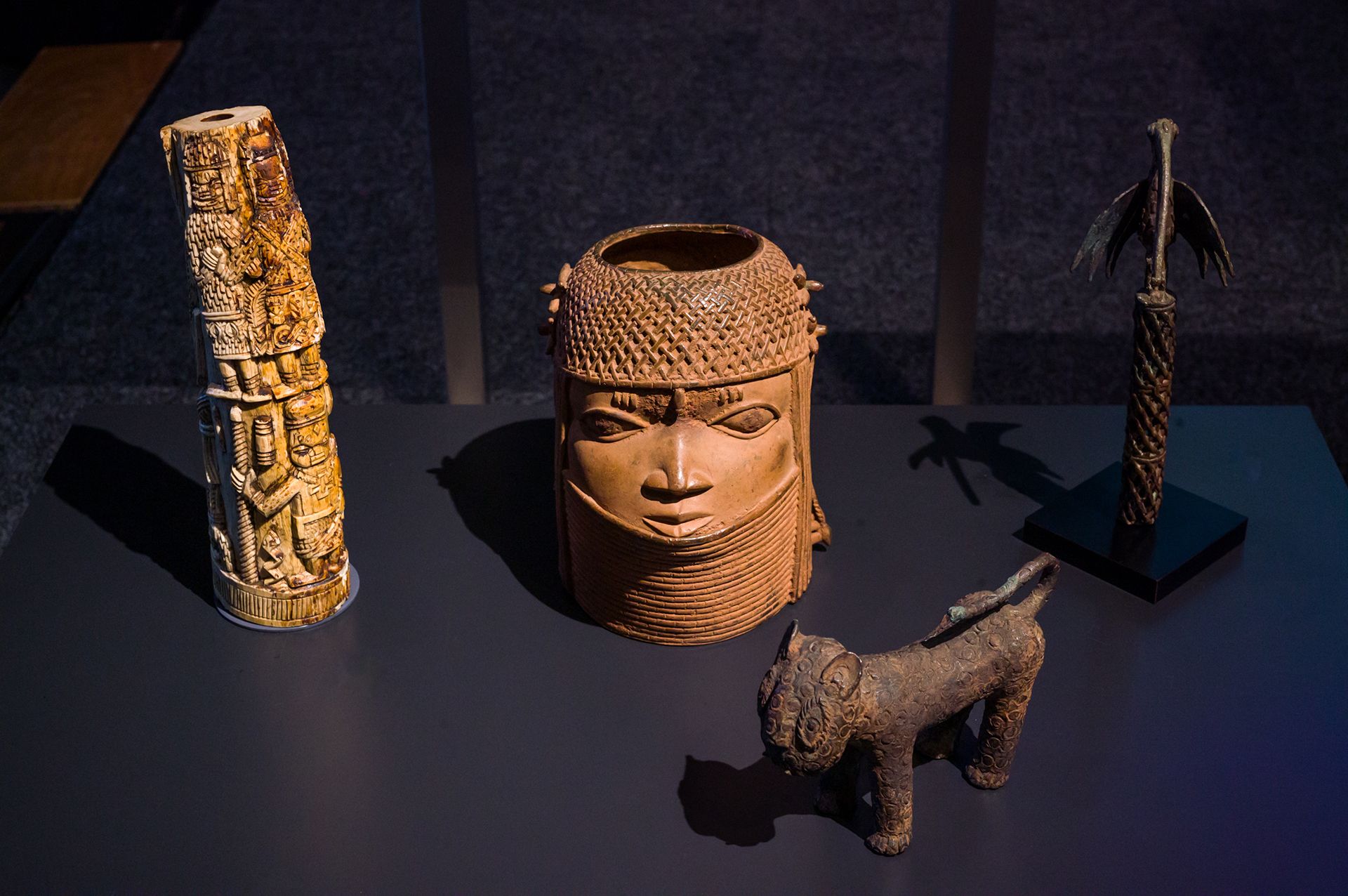
The Netherlands will return 119 looted Benin bronzes to Nigeria this month, marking one of the most significant repatriations of cultural artefacts to the country. The Dutch embassy in Nigeria confirmed on Thursday, June 5, that the artefacts will arrive during the week of June 16.
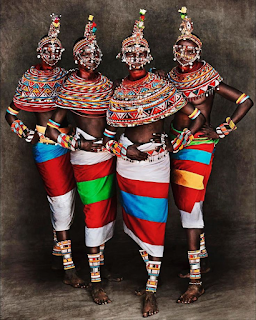
The Samburu people of Kenya live a semi-nomadic life like the Maasai. Their survival depends on their livestock. The Samburu place a significant premium on their cattle, goats, sheep and camels and weave their life and culture around their livestock.
Akpema is the rite of passage for young maidens in the West African nation of Togo. It is held shortly after the initiation ceremony for boys which is known as Evala wrestling. Akpema is often held a week after Evala.
Acrucial component of the rhythmic family of musical instruments is the drum. Drums are often battered with the hand, one or two sticks with or without padding, or both.
“What’s for breakfast this morning, I just woke up and I’m hungry.” One may get away with this statement early in the morning after waking up from bed in just about any home, but not African.
New Orleans is the jazz mecca of the world. Since the 1800s when jazz music originated in gatherings by enslaved Blacks in Congo Square, an outdoor space in New Orleans, the art form has spread through every aspect of culture in the city.
One of the respected traditional symbols of the Mende people of the West African nation, Sierra Leone, in initiation ceremonies, is the helmet or sowei mask.
It’s a sword, but one that does not attack an enemy or find itself in physical battles. The Iron Eben, a flat iron leaf-shaped blade with a central rib flanked by triangular cut-outs, was introduced into the kingship of the Benin Kingdom during the Ogiso dynasty.
It may appear bizarre or probably mysterious to some, that a puny reptile such as the monitor lizard is deified and revered. But not for the Umu-Ukwa tribe of Nigeria.
The Royal palaces of one of the largest ethnic groups in Nigeria, Yoruba, are noted for their unique architecture. The royal courtyards of the kings of Yoruba depict the political authority, religious values and social life of the ethnic group.
The fattening practice is a rite of passage of the Kalabari, Efik, and Ibibio clans of Nigeria. It is an initiation ceremony that prepares the maiden to be an elegant and cultured woman.
It's high time people knew that women's monthly period is not a sign of dirtiness or something forbidden but a sign of hope and strength according to Ifa.